The month is now over. The month is over.
Check the restaurant’s account.
The number isn’t what you expected.
This can be very frustrating for restaurant owners since they believe that profit and cash on hand should speak the same truth. They are not. A P&L measures the financial performance of a firm for a particular period of time, while accounts in banks show the actual timing of money entering and leaving he business.
Understanding the different aspects can allow owners to change their views on the restaurant’s finances.
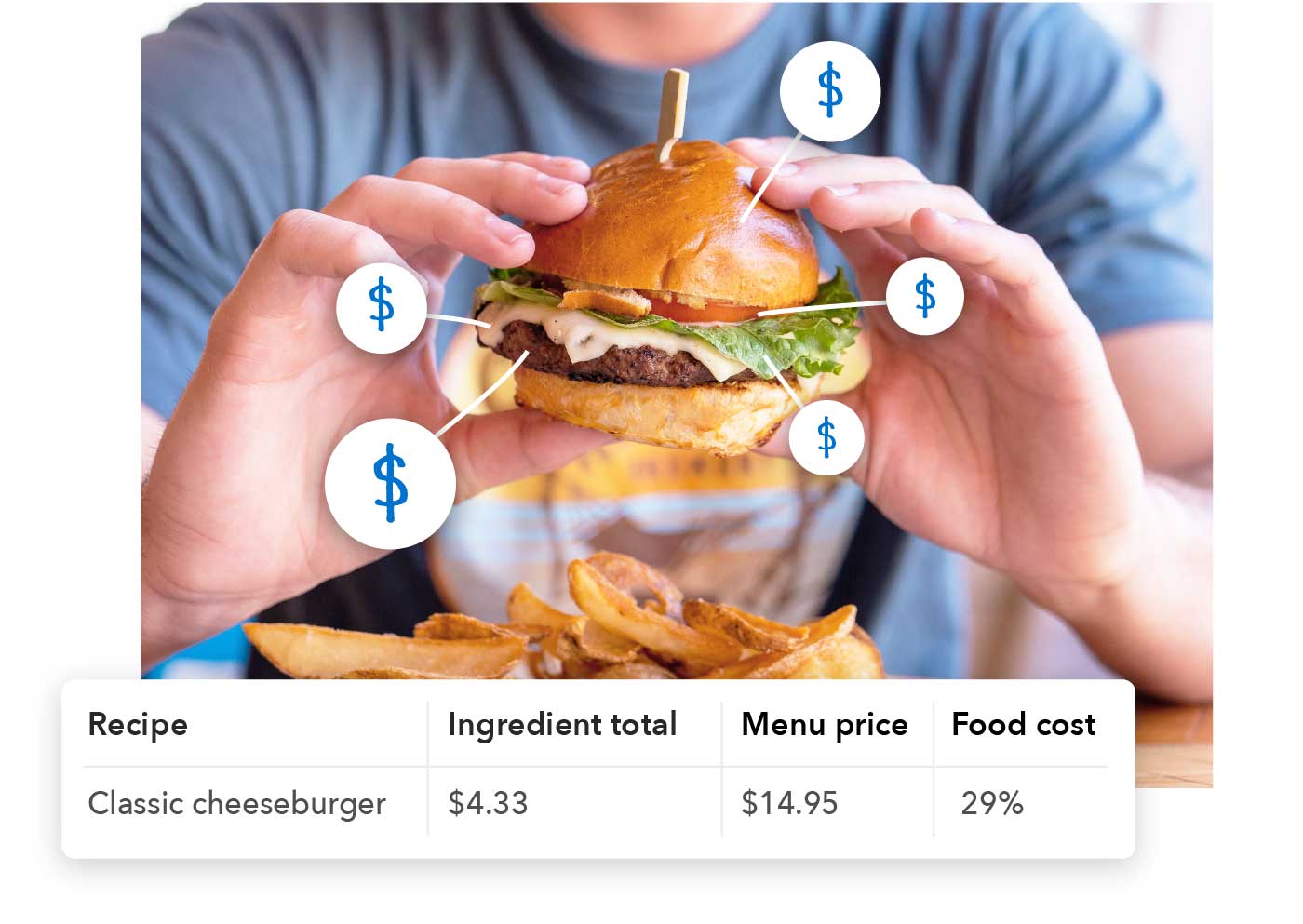
Have a look at what happens in a normal week. The customers pay for food. Employees have to be paid. Food and beverage deliveries arrive with invoices attached. Rent is getting closer. The timing of credit card deposits is different. Sales tax collected is an obligation.
The purchase for next week has already started.
If you focus only on the revenue or the final profits, then you’ll not be able to see a lot of this process.
The answer could be hidden in prime cost
If the profitability of restaurants begins to decline, the costs of food, beverages and labor expenses should be taken into the equation.
Prime cost is made up of both the cost of items and labour. The Bookkeeping Chefs’ guidelines place the primary cost between 60 and 65 percent of the revenue for many restaurants. They also recommend the importance of weekly monitoring rather than waiting until the month ends.
Effective prime cost management is less about obsessing over a single percentage and more about noticing movement early.
Imagine that the restaurant usually performs in line with its goals, but this week’s percentage is higher. Perhaps overtime was also increased. Perhaps beverage costs remained stable but food costs increased. The manager can review menus and portions, waste as well as vendor invoices and buying if the percentage of food is greater.
The percentage raises questions. The restaurant’s activity is the answer.
This conversation is possible because everyone is able to recall the events that transpired.
After a period of two to three weeks, it is much more difficult to reconstruct the details.
When the vendor invoices arrive
The restaurant is expected to pay an additional time for the items it buys. Because of this, it is the case that analyzing profits alone will not resolve all cash-related issues.
Vendor invoices must be recorded, received as well as tracked until they are paid. Doing this manually in a busy business with many suppliers can become a huge administrative burden.
Automating accounts payable speeds up the process, cutting down on routine tasks like handling bills and payment details. Bookkeeping systems that are integrated can give owners a better view of their obligations, even if they’ve not yet been paid.
It’s useful because, taken as a whole the restaurant’s financial position could appear to be more healthy than its actual financial situation.
It might be that you have $80,000 on your account as of right now. The $80,000 figure means very little if vendors, rent or payroll make an enormous amount over the coming days.
This is what leads to cash flow forecasting.
What happens to our cash once we’ve received the cash we’ve been expecting and have fulfilled all of our obligations?
This distinction is essential when deciding on which is the appropriate time to purchase an additional item replacement of equipment, or keep the liquidity.
It is possible that you weren’t eligible for all the money you thought.
The sales tax example is a good one.
A restaurant collects money from customers which must be disposed of according to its tax obligations. If these funds are combined with operating cash, they can create a false impression of the cash available for spending.
Records that are consistent support sales tax compliance while also giving management a more realistic picture of the financials of the restaurant.
This is the reason that restaurant accounting can be more effective when financial obligations aren’t separated from other responsibilities.
Prime cost affects margin. Vendor purchases impact COGS and future payments. Payroll can affect both the percentage of labor as well as cash. Cash flow is impacted by sales tax. P&Ls can be used to document financial performance. Forecasting is also helpful to management.
The pieces connect.
Bookkeeping Chef incorporates restaurant-specific reporting through system integrations. Outsourced bookkeeping services that are specifically tailored to your needs are a great option for owners who aren’t able to manually reconcile financial information. They are able to handle the bulk of the accounting work without taking the owner away from the financial discussion.
It’s the last thing that counts.
It’s not the intention of restaurant owners to not check their books just because someone does. Owners must be provided with information that can help them be aware of what’s happening.
If the P&L reports that the restaurant earned money, but the bank account seems to be a bit unbalanced, don’t think that any of the numbers can be incorrect.
Find out what happened between you and your partner.
The answer to this question will tell you more about the restaurant’s location than an identifying number.