A municipality is home to an aging wastewater lift station. The pumps are at the end of their life expectancy and the controls are dated and the access hatch has deteriorated. Even though the concrete wetwell is structurally sound, it needs to be upgraded.
Should the station be completely destroyed? Not necessarily. The better question is whether the infrastructure in place is able to support a modern pumping system, without compromising reliability, maintenance access and capacity.
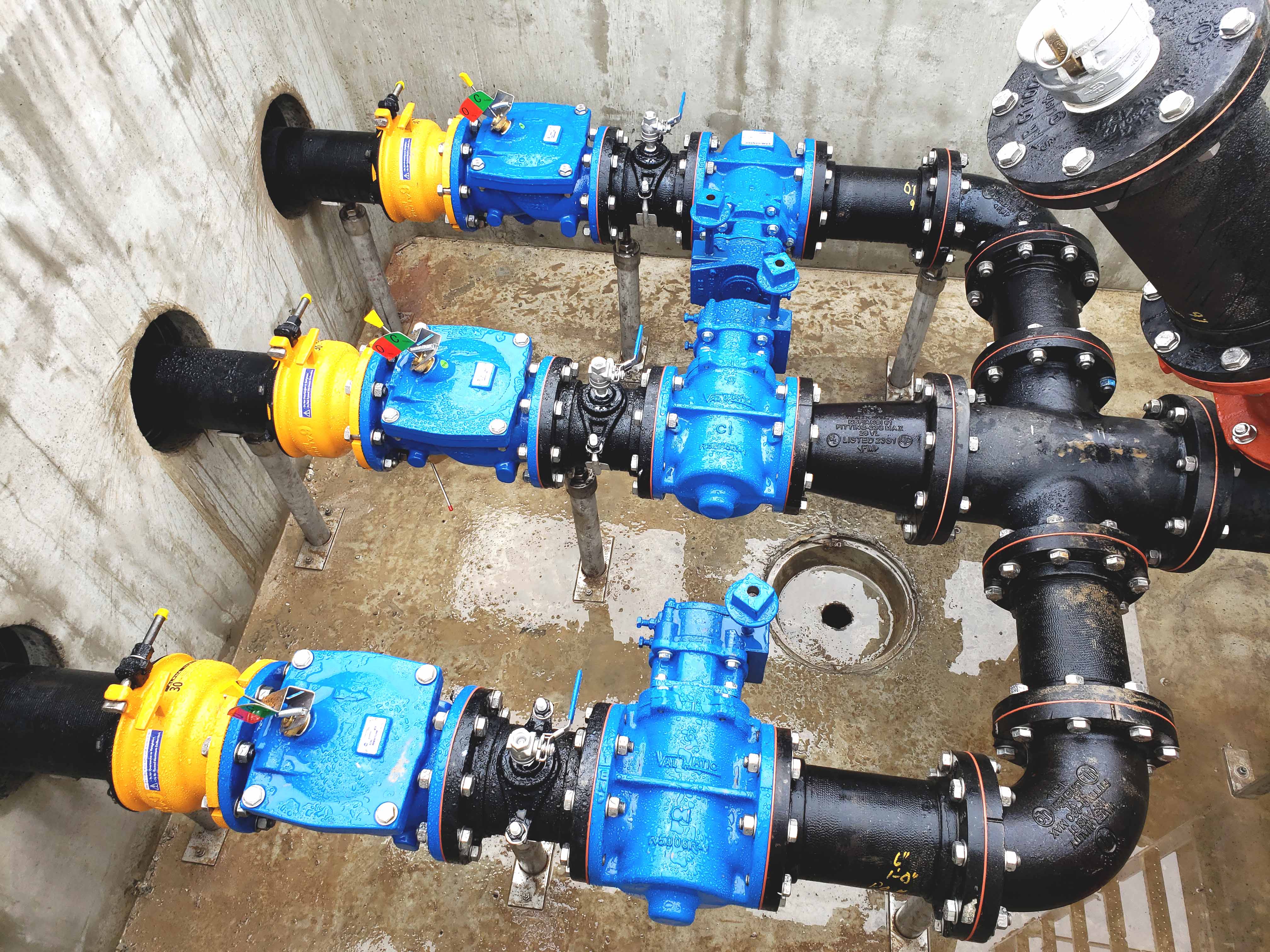
Image credit: romtecutilities.com
Retrofitting a pump station can be a fantastic way to protect infrastructure, and also replace parts that have become obsolete.
Start With the Structure Nobody wants to replace.
It’s costly and inconvenient to replace the wet well due to its location in the ground, connected to pipes and essential for wastewater collection.
Retaining a concrete construction that is functional can reduce the excavation and construction.
However, damage to the access hatch may complicate your decision. Romtec Utilities has identified wet-well hatch replacement as a crucial retrofit. It might be more reliable to remove the top slab instead of constructing a new hatch on deteriorated concrete. This could increase the accessibility to the structure as well as prolong its utility, without having to rebuild the entire wet well.
The technology behind an even more powerful pump is distinct
Imagine a neighborhood which has seen a substantial expansion since the establishment of its lift station. The pumps that are in place may not be sufficient for the increasing flow of wastewater.
A pumping station upgrade could involve higher-horsepower pumps, but equipment selection cannot happen independently of the surrounding system.
Engineers should also look at the hydraulic needs of the system. This includes flow and total dynamic pressure. Installing a larger pump without evaluating the situation could cause more problems than it solves. Planning for future capacity when you are making the initial design phase can make later expansion considerably easier.
Make sure the wastewater is moving during Construction
Retrofitting a wastewater pump station poses a challenge which normal construction projects for new equipment do not encounter: the facility may need to remain operational throughout the construction.
Even when contractors are busy the wastewater still flows in. According to the report, a temporary bypass pumping system could be needed to keep service running while existing equipment is removed or new equipment is installed.
Romtec Utilities addressed this type of problem at the Federal Law Enforcement Training Center in Brunswick, Georgia.
The project consisted of replacing two older wastewater lift stations while maintaining operations at the facility. Site-specific engineering, packaged replacement systems, and bypass pumping methods helped adapt to the station’s footprints and operational needs. This illustrates how important it is to consider the construction sequence prior to installing.
When Replacement Becomes the Better Alternative
Some stations may not be suited to be renovated. If the sewer lift station requires replacement due to a seriously degraded well, structural issues, or significant changes in the hydraulic requirements, it could be better to replace instead of modify.
When making a choice, it is essential to think about the structural integrity of the building, its compatibility equipment, access to construction, service continuity and the long-term requirements. Romtec Utilities starts retrofitting and replacing projects by identifying the components that are to be kept and those that need to be replaced.
The company will create site-specific engineering designs as well as budget estimates and preliminary designs. Prefabricated components are also useful to organize installation and reduce the number of on-site requirements.
The work isn’t done until the pumps kick in
A modern lift station should function as a system in one. Before returning the lift station back to service, startup tests and commissioning will help ensure that the pumps, control equipment and other components are performing according to an approved design.
Manuals for operation and maintenance and instruction for operators are important. Maintenance personnel should be familiar with the latest equipment and operating procedures as well as the necessary documentation prior to taking charge of the station.
Retrofitting infrastructure is a great way to preserve its value, while eliminating the limitations that prompted modernization.
For municipalities and facility owners This means looking beyond immediate repairs. The strongest project is one that integrates new equipment into existing structures, provides essential service throughout construction, and also prepares the pumping system to last for years of continuous operation.