The month is over. The month is finished.
Check the restaurant’s bank account.
The number isn’t the one you’d expected.
Restaurant owners, this disconnection can be a source of frustration because the cash flow and profit feel as though they should be the same. However, they aren’t. A P&L evaluates the how well the company’s financials have performed over a certain time and your bank account shows the actual timing of money going into and out the company.
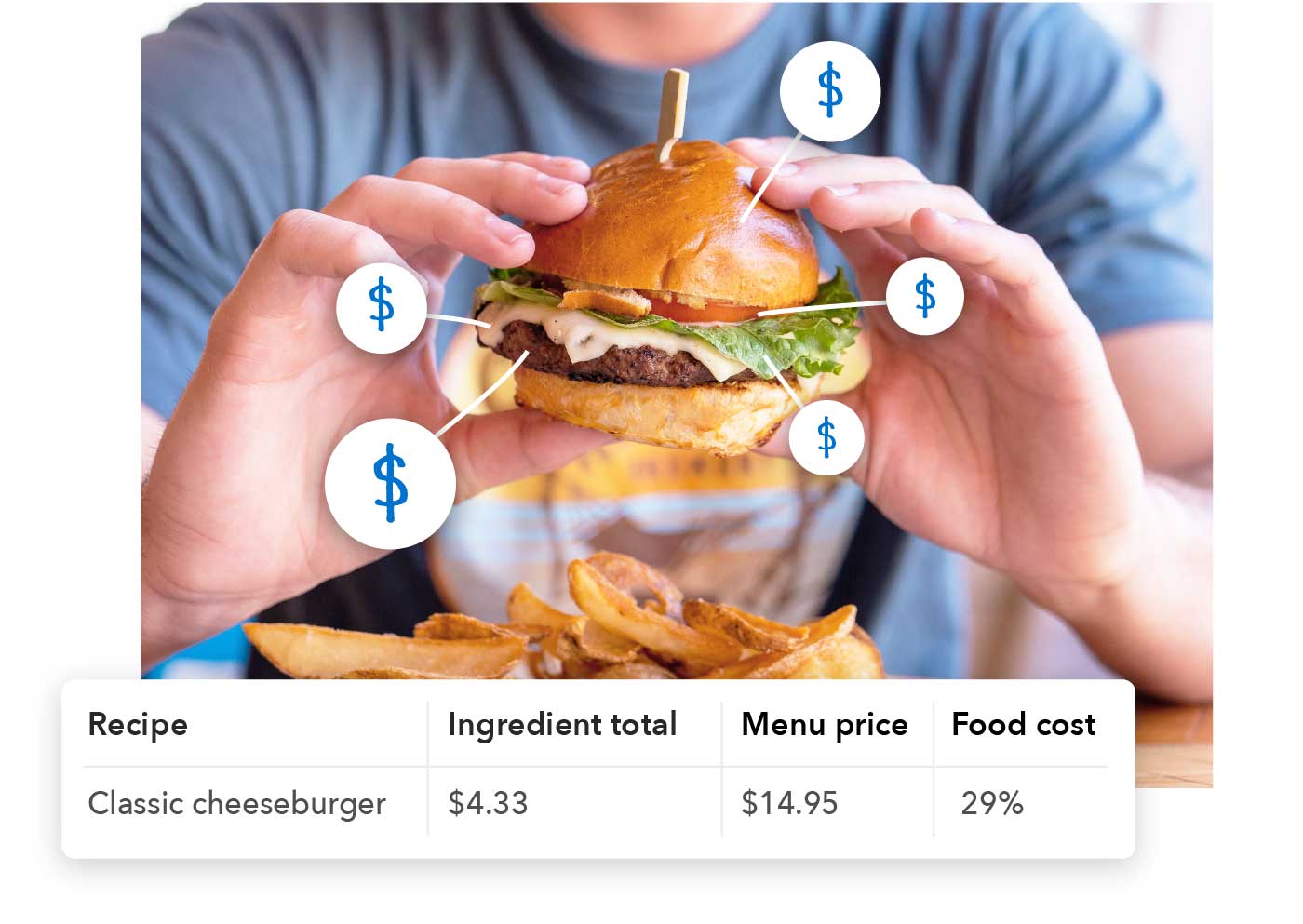
Understanding the different aspects can allow owners to change their view of the financials of their restaurant.
Imagine what could happen on an average week. Food is paid for by customers. Employees have to be paid. Deliveries of food and beverages arrive with invoices. Rent is nearing. Credit card transactions come with their own schedules. Taxes on sales are collected but it’s responsibilities.
Already the purchases for the week ahead have begun.
Looking just at revenue or the end-of-year profit number isn’t a good way to assess the full scope of what happens.
Prime Cost Could Hold the Key to the Solution
If restaurant profits begin to decline, the cost of food, drinks and labor costs should be taken into consideration.
Prime cost is composed of both the cost of items and labour. Bookkeeping Chef’s guidelines place prime costs at approximately 60% to 65% for many restaurant and focuses on weekly monitoring as opposed to staying until the end of the month.
Effective management of prime costs is less about worrying about the exact percentages and more about noticing movement early.
If the restaurant typically does well, however this week it’s at a higher percent. Maybe overtime has increased. Perhaps beverage costs were steady while food costs grew. Operators may examine menus as well as waste, portions sizes along with vendor invoices and purchasing if the food percentage is greater.
The percentage raises the question. The underlying restaurant activity provides the answer.
A weekly report can make that conversation possible while everyone still remembers what happened.
A few weeks later after that, the details become harder to reconstruct.
Once the vendor invoices are received
A restaurant could purchase the ingredients this week, but then pay for the ingredients later. That timing helps explain why knowing the profit isn’t enough to answer every cash issue.
Invoices from vendors must be received, tracked and paid. In a busy operation with multiple suppliers, managing that by hand can be its own administrative workload.
Automating accounts payable can help organize this process by reducing repetitive handling of bills and payment details. The user can have an accurate picture of obligations that haven t hit their bank account by using connected bookkeeping systems.
This is beneficial, as the bank’s balance could appear to be healthier than the restaurant’s actual situation in the near future.
It could be that there are $80,000 in your account at the moment. It could mean something different if rent, payroll vendors, or other obligations will consume a large portion over the next several days.
Cash flow forecasting is a normal outcome.
What will happen with our cash after we’ve gotten the money that we expect and have met our obligations?
This distinction is essential when deciding which is the best time to make an additional purchase to replace equipment or to maintain liquidity.
You may not be legally entitled to the full amount you believed.
Sales tax illustrates this especially well.
The money that a restaurant receives from its customers will eventually need to be dealt with in accordance to its tax obligations. When these dollars are mentally put together with operating cash, they can provide a false perception of the cash available for spending.
Consistent records support sales tax compliance as well as giving management a more realistic picture of the financials of the restaurant.
Accounting for restaurants is more efficient when the financial responsibilities of each restaurant are not separated.
Prime cost affects margin. COGS (cost of goods sold) and future payments are affected due to purchases made by vendors. Payroll has an impact on both the labor and cash percentage. Cash availability is impacted by sales tax. P&Ls report financial performance, and forecasting allows management to examine the future.
The pieces are linked.
Bookkeeping Chef utilizes restaurant-specific reporting and system integrations that help bring those pieces together. For operators who don’t want to spend their nights manually reconciling financial data, specialized outsourced bookkeeping services can handle much of the accounting workload without removing the owner from the financial conversation.
It’s the final part that’s important.
Restaurant owners shouldn’t be able to stop reading their books just because they are handled by another. Owners should receive information that helps them be aware of what’s happening.
If the P&L shows that the establishment is profitable however the balance of the bank seems unbalanced, don’t assume that the P&L may be inaccurate.
Find out what transpired between you and your spouse.
This one question could teach you something more about the food you serve than a single number could be on its own.