In the past, constructing a high-quality 3D asset required a combination of technical proficiency, artistic talent and considerable amounts of time. Designers created shapes manually, applied texture, altered lighting and prepared files for different platforms. Artificial intelligence has transformed this process. AI-powered 3D modeling tools let creators to create quickly detailed assets from just a simple text message or photo.
This innovative approach makes 3D design more accessible for novices and professionals alike, and also allows for quicker production and more imaginative experimentation.
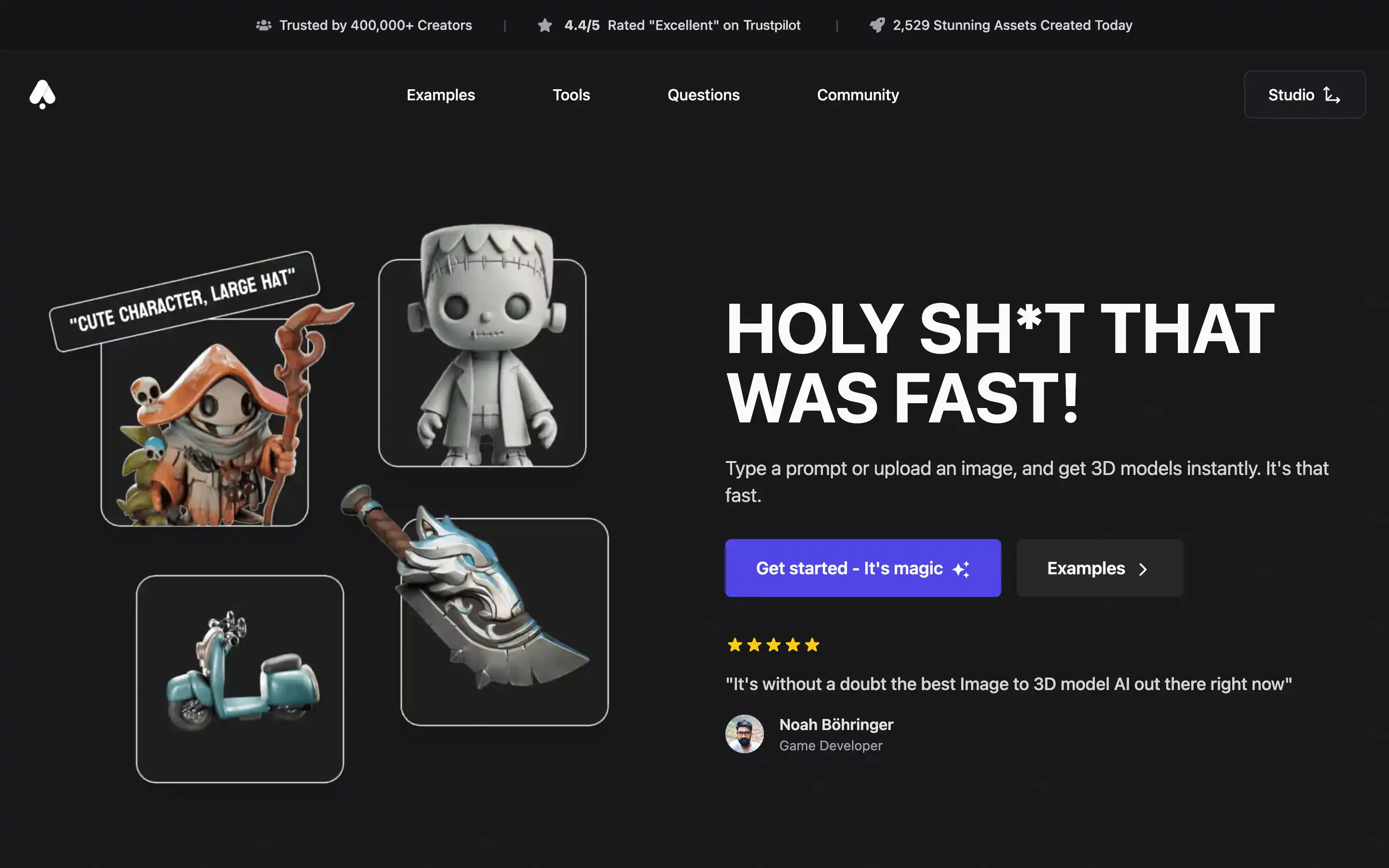
From image to 3D Model in a matter of minutes
The 3D image technology is a major breakthrough in this area. Instead of making objects by hand using artificial intelligence, an image is analysed to find shapes and depth, then reconstructed into an asset in 3D.
This feature is very useful in fields that need speed and visual accuracy. Game developers can create prototypes quickly and architects can see their buildings prior to construction as well as product designers can test their ideas without long modeling sessions. Even educators and marketers are discovering the value of being able transform visual ideas into interactive 3D-based content.
The savings in time are substantial. The time savings are significant.
AI 3D Modeling is growing in popularity
AI 3D modeling tools are growing in popularity due to their ability to simplify processes. Artificial intelligence that is trained on huge datasets can generate realistic materials, shapes and maintain consistency and accuracy.
This speed does not just boost productivity, but also fosters innovative thinking. Designers are able to test numerous variations of a concept within a short time frame, and then compare their outcomes, and then select the most efficient solution. This rapid iteration process is gaining importance in fields like film production advertising, virtual reality and e-commerce visualization.
Another major benefit is accessibility. Many of the modern platforms are designed to ensure that even those with less or no knowledge of 3D design can still make high-end assets.
Integrate seamlessly into professional workflows
Compatibility is just as important to professionals as speed. Modern AI 3D models are designed to seamlessly integrate with existing pipelines. Models are exported to various formats that are supported by the industry, including FBX as well as OBJ. They are additionally compatible with rendering software and 3D printing devices.
Asset databases that are organized also play an important role in the process of achieving efficient production. The ability to search and locate every model created can help teams manage their projects. Searching for tags and downloading large files and easily regaining previous versions are all methods to cut down on time.
Security and privacy options have also become common. This lets creators keep assets created private that are ready to use in commercial or creative projects.
AI Tools to Control and Improve Precision
Many people think that 3D modeling AI is an instrument for automatizing the process. However the latest AI often includes detailed adjustment tools. Users can set precise dimensions, pivot points or even ensure the correct positioning of objects within scenes. These capabilities are vital for animation, architectural visualization, and simulation where precision is vital.
Artificial intelligence can also assist with texture generation, allowing artists to create realistic designs quickly. This reduces the need for manual painting time while maintaining an excellent finish.
Future of 3D Model AI
As artificial intelligence continues to evolve, the possibilities for 3D model AI will expand further. Advanced systems will be able to build complete environments, optimize assets automatically and adapt models for various platforms with no additional steps.
These platforms are already showing how powerful they can be. 3D AI Studio the ultimate studio for 3D assets reflects the new generation of software designed to streamline creation, improve workflows, and help creators create a model with the least amount of effort.
Conclusion
The ability to transform concept to finished asset quickly has transformed the way that digital content is produced. Image to 3D Model technology and advanced AI 3D models tools allow creators to transcend manual processes that are slow and inefficient.
The technology will continue to advance and play a bigger role in sectors such as entertainment, gaming engineering, education, and more. They will enable high-quality 3D production more efficient, better and more accessible.