A pump station that’s old shouldn’t be forced to cease operating to be a problem. Although it could transfer stormwater and wastewater every day, the pump station might struggle to keep up with peak demand. It might also require more regular maintenance. The equipment is functional, but its original design might not reflect the current conditions surrounding it.
It is vital to recognize this distinction for municipal officials, developers and facility owners when preparing upgrades to infrastructure.
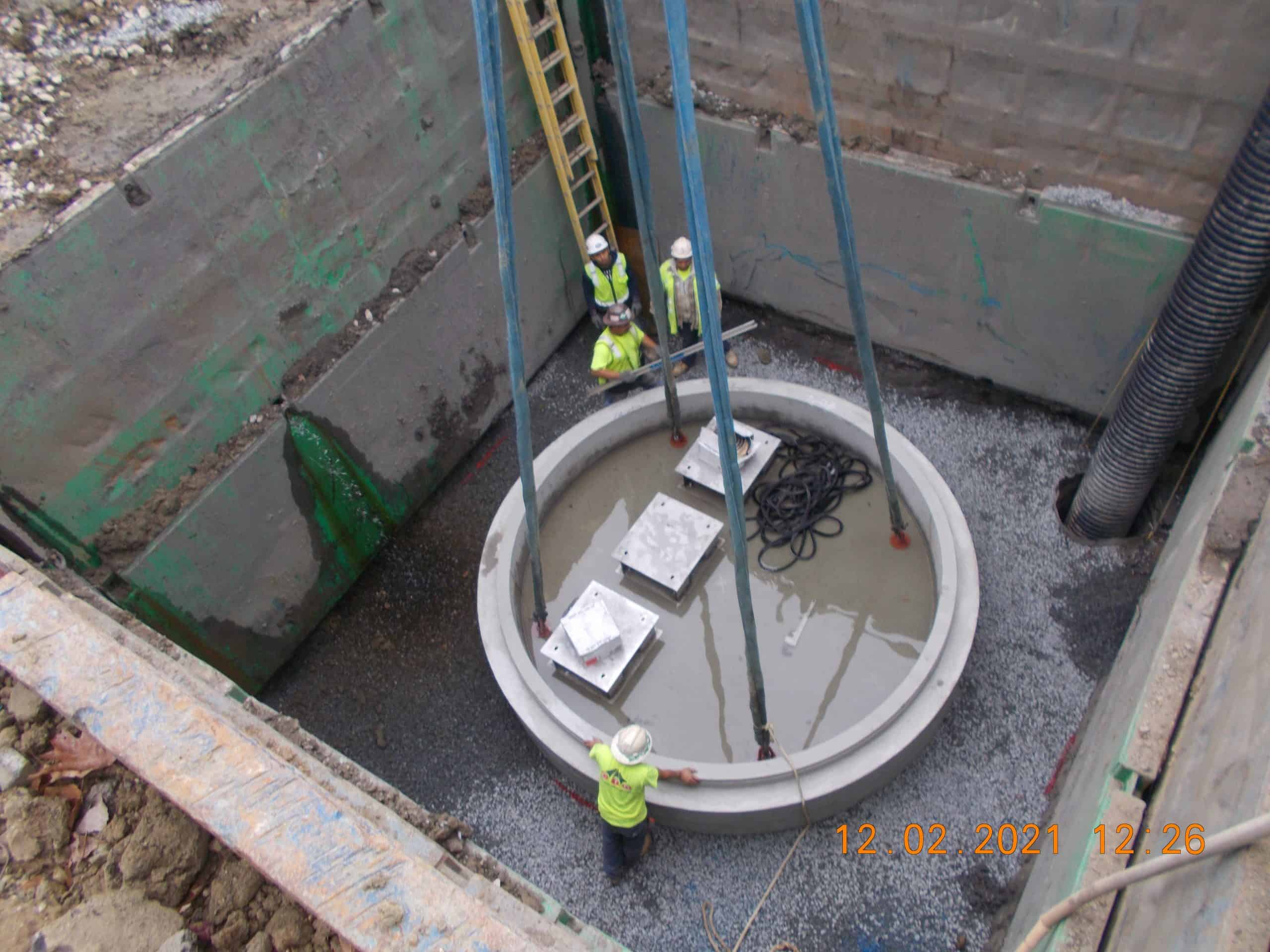
Image credit: romtecutilities.com
Look Beyond the Equipment That’s Inoperable
A retrofit of a wastewater pump station should start with an examination of the entire system not just the pump with problems. Engineers should evaluate the wetwell, the mechanical equipment, as well as electrical parts. They should also consider discharge piping and the current needs for pumping.
The condition of the wet well is crucial. If the structure of your wet well is intact and in good condition, it could be possible to replace it with a new equipment, while maintaining its current structure. Costs for construction could be reduced as compared to constructing a new station. However, the idea of preserving existing infrastructure only makes sense in the context of proposed improvements.
Has the Service Area changed?
The wastewater station that was built years ago can now be used to provide services to more businesses, homes, and industrial operations.
The changes could impact the flow rate and operational demands. Successful lift station rehabilitation therefore is more complicated than simply restoring the original specifications for the equipment. Engineers should evaluate their current and future flow rates, total dynamic head capacity of equipment, as well as the reliability of operation.
It’s more than enough to buy a bigger pump. The new machine must be compatible with the existing pipes electrical supply, controls and other components. When one part is upgraded, it can cause problems with other parts.
Stormwater retrofits have different priorities
A stormwater pump station retrofit introduces additional considerations because runoff can change dramatically with rainfall and surrounding development. Stations that serve a detention basin could have different patterns of inflow than those that receive water via storm drains. The amount of runoff that reaches the station is affected by new pavements and parking spaces, or altered drainage infrastructure.
Before recommending a proposed stormwater station upgrade, engineers should review the drainage area that is contributing to the project and the expected peak flows, storage capacity, discharge conditions, and the current pump performance.
The information will help determine if your station needs to be rebuilt or what the best option is to modernize equipment.
Design your project before you interrupt service
The most often overlooked concern is how the station will function during the rehabilitation. The general rule is that wastewater systems cannot be closed without a plan for flow management.
The construction could include temporary bypass pumps or installation of new infrastructure along with the operating station according to the available space and the specific requirements of the project.
The system might be required to be used in an emergency downpour. A comprehensive engineering plan should cover installation sequencing, temporary operations, the integration of equipment, and commissioning not just the replacement of components.
Making the completed system simpler to use
Romtec Utilities is a provider of site-specific engineering supply and solutions for Stormwater and Wastewater Pumping Applications.
The retrofit process determines which electrical, structural, mechanical and communication components are required to be maintained and which ones need replacement. The company also provides initial designs and budgetary estimates to help project owners assess their alternatives.
Following installation, tests for startup and commissioning are conducted in conjunction with operator training and documentation. A successful rehabilitation effort should leave operators with a system they are able to manage and comprehend.
Upgrade Your System and Not Just the Age
A pump station that’s older doesn’t mean it’s a perfect candidate for replacement. Even if their electrical or mechanical equipment is old-fashioned there are some structures that can be useful for many years. The key is to determine what is safe and cost-effectively while making sure the completed station is able to meet current as well as future needs.
Through analyzing the general working conditions and structural integrity and the requirements for hydraulics and construction constraints, owners are able to make better-informed decisions.
It’s not just about making an old station work again. It’s about ensuring that the updated system can cope with the new demands.